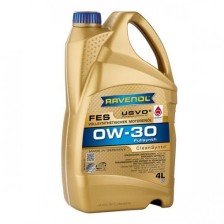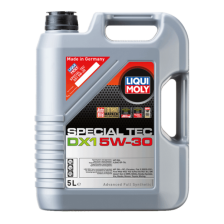
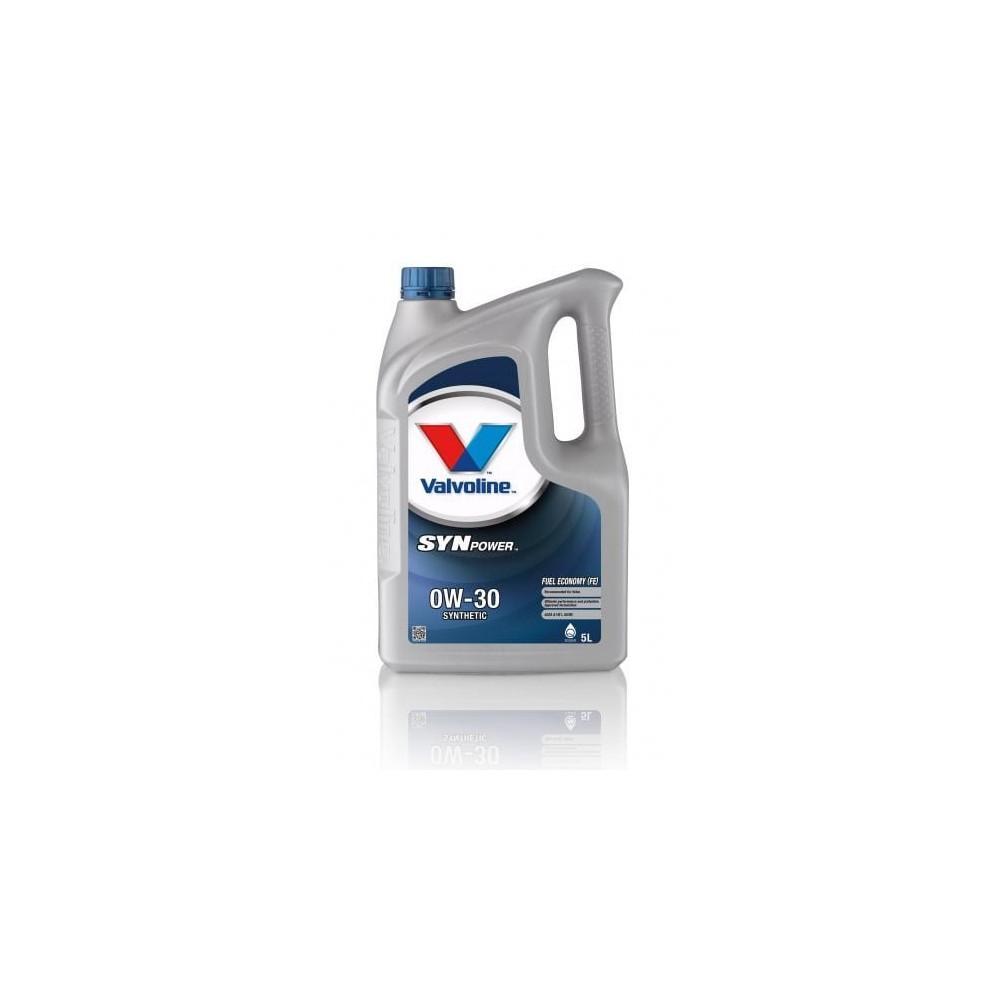
Valvoline SynPower FE 0W-30 5L is a premium full synthetic engine oil that delivers ultimate protection for modern gasoline and diesel engines in passenger cars and light vans. Its 0W-30 viscosity flows instantly at cold starts down to -35°C for easy ignition and quick lubrication, while staying strong up to 150°C to shield against wear during high-speed or heavy-load driving. Approved for BMW LL-01-FE, Volvo VCC 95200377, Renault RN0700, ACEA A5/B5/A7/B7, and API SP, it meets strict standards for fuel-efficient engines with DPF, GPF, and catalytic converters.
Key practical benefits include maximum fuel savings from low-friction formula, spotless engine internals by cutting sludge buildup, and Mid SAPS technology that keeps emissions systems clean and efficient without blocking filters. Perfect for turbocharged, direct-injection, or high-performance motors demanding low-viscosity oils.
Use this oil in vehicles specifying 0W-30 with ACEA A5/B5 or C2 specs, especially BMW, Volvo, Renault, and compatible Ford models. Ideal for daily commutes, long highway runs, or cold climates where quick starts matter. Replace every 10,000-15,000 km or 12 months, or follow your owner's manual for extended drains up to 20,000 km in approved engines. Shelf life is 5 years unopened when stored cool and dry.
Is Valvoline SynPower FE 0W-30 safe for my DPF-equipped diesel?
Yes, its Mid SAPS formula protects diesel particulate filters by minimizing ash buildup, ensuring long emissions system life.
Can I use it in winter down to what temperature?
The 0W rating guarantees smooth flow and protection starting at -35°C, making cold mornings hassle-free.
How much fuel savings can I expect?
Low viscosity reduces friction for up to 2-3% better fuel economy versus thicker oils, noticeable on long trips.