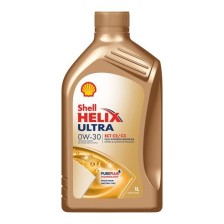
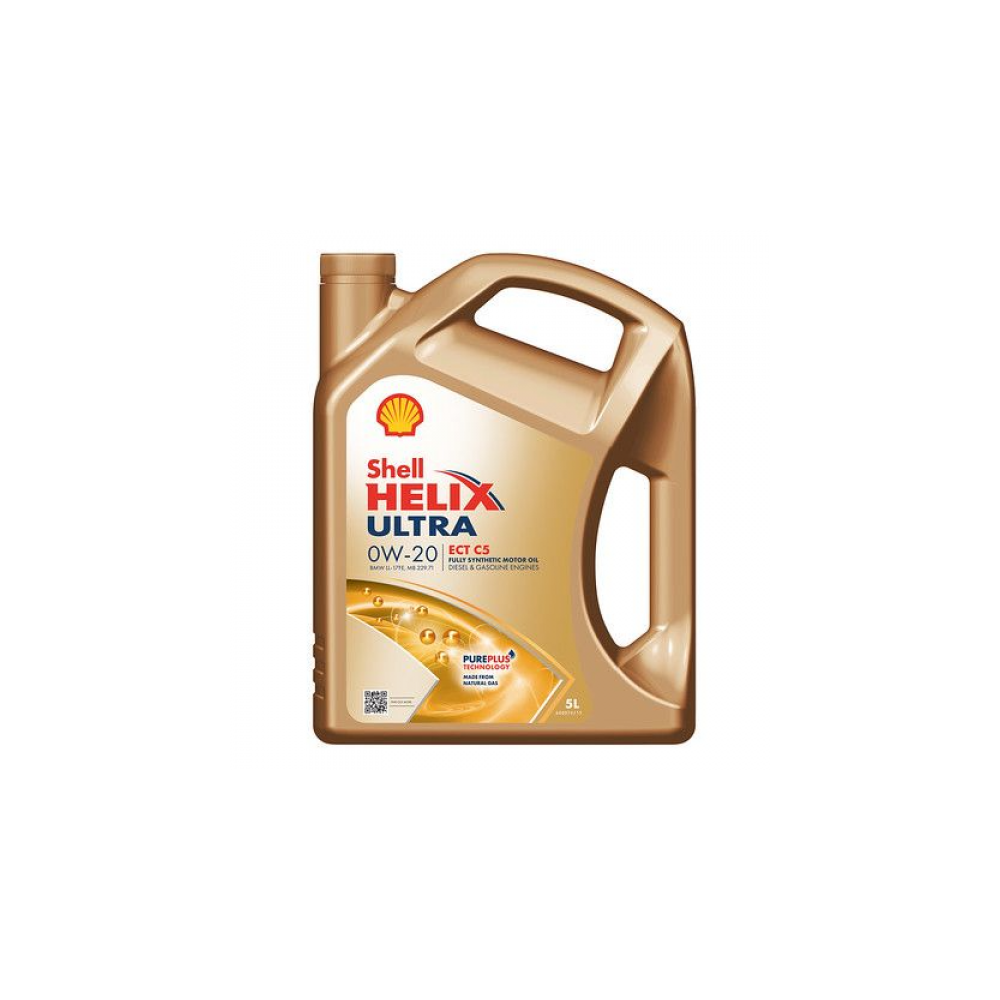
Shell Helix Ultra ECT C6 0W-20 SP 5L is a premium fully synthetic engine oil built for high-performance gasoline, diesel, hybrid, and gas engines. It uses PurePlus Technology from natural gas for superior cleaning that keeps pistons and turbos spotless, cutting power-robbing deposits.
This low-friction formula delivers up to 4% better fuel economy by reducing engine drag, while providing 51% better wear protection and 58% better corrosion defense than required. It flows fast at cold starts down to -51°C for quick warm-up and stays stable up to 237°C. Perfect for modern cars with particulate filters, it prevents ash buildup and protects turbo direct-injection engines from low-speed pre-ignition (LSPI).
Approved for BMW LL-17 FE+, Mercedes-Benz 229.71/229.72, Fiat 9.55535-CR1/GSX, ACEA C5/C6, API SP, and ILSAC GF-6A. Ideal 5L size for most passenger car oil changes.
Use in turbocharged, hybrid, or fuel-efficient vehicles needing low-viscosity oil for max MPG and longevity. Switch to it if your manual lists these specs for cleaner exhaust systems and less top-up needs thanks to low evaporation.
Is this oil good for winter driving? Yes, its 0W rating ensures smooth starts in temperatures as low as -51°C, protecting your engine from dry starts.
Can I use it in my BMW or Mercedes? Absolutely, with official approvals like BMW LL-17 FE+ and MB 229.71/72 for long-life performance.
Does it save fuel? Expect up to 4% better economy from low friction, especially in modern efficient engines.