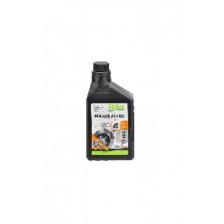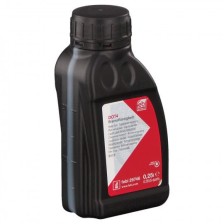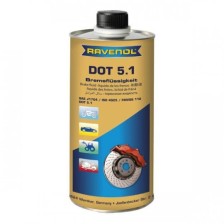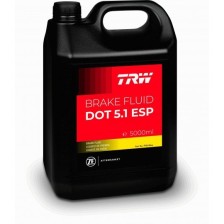
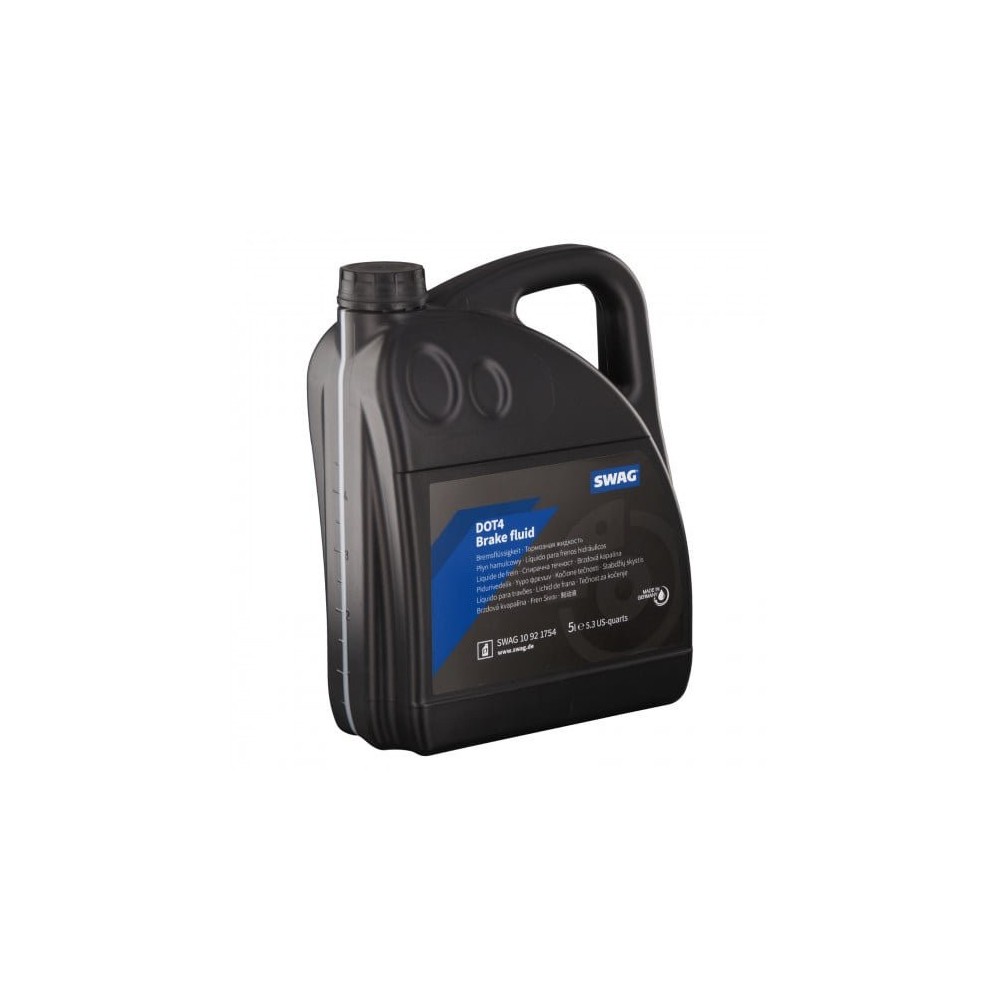
The SWAG 10 92 1754 DOT 4 Brake Fluid is a premium 5-liter solution designed to deliver reliable braking performance in disc, drum, ABS, and hydraulic clutch systems. This glycol-based fluid absorbs moisture to prevent corrosion in calipers and master cylinders, while its high-temperature stability resists brake fade during heavy braking or stop-and-go traffic.
It ensures consistent pedal feel and safe operation even under intense conditions like towing or mountain driving, outperforming DOT 3 fluids. Compatible with DOT 3 systems for easy top-ups, it protects seals from swelling or shrinking, minimizing leaks and extending brake component life.
Use SWAG DOT 4 Brake Fluid in high-performance vehicles, daily drivers with frequent braking, or any system specifying DOT 4. Ideal for modern cars with ABS and ESC needing quick response in cold or hot weather.
Replace every 2 years or 40,000 km, or sooner if the fluid darkens or you notice a spongy pedal – moisture absorption lowers effectiveness over time, risking vapor lock and reduced stopping power.
Q: Can I mix SWAG DOT 4 with DOT 3 fluid?
A: Yes, it's fully compatible and safe, providing better high-heat protection without issues.
Q: How do I know when to flush my brakes?
A: Check every 2 years or 40,000 km; test boiling point drop or look for discoloration/moisture signs for safety.
Q: Is this suitable for racing or heavy towing?
A: Absolutely – its high boiling point prevents fade during prolonged hard braking.